Support
Trading Ideas
Get the edge with potential investments and opportunities
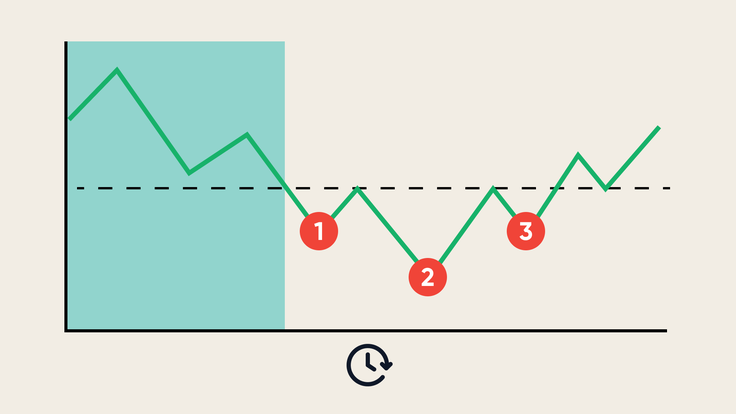
Trading for beginners: what it involves and how to get started
At its core, trading is about anticipating how prices move across markets, and learning how to make informed decisions before you dive in is imperative.

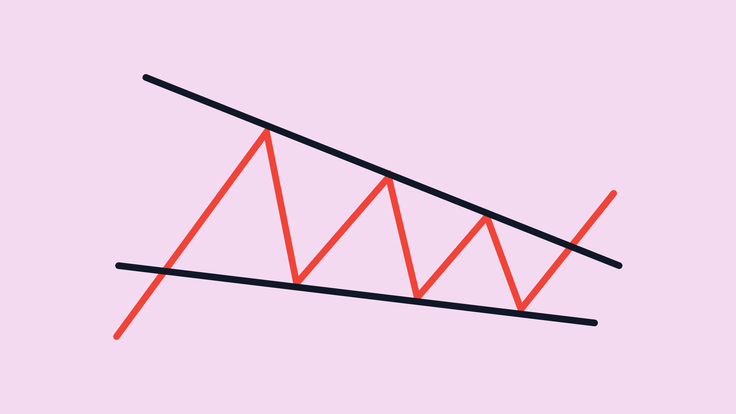
Falling wedge pattern: what it is and how to trade it
In technical analysis, the falling wedge is recognised as a bullish pattern, indicating that downward pressure is fading and prices could soon rise.
How to get started trading EUR/USD
EUR/USD’s high trading volume results in tight spreads and smoother price action, making it one of the most suitable markets for beginner traders.

CFDs and futures: key differences explained
CFDs allow speculation on price movements, while futures involve agreed prices for buying or selling assets at a set future time.

How to build discipline in forex trading
Building discipline in forex requires psychological control, a clear methodology and risk management rules that support consistency and performance over time.

The role of triangles and extended waves in Elliott Wave theory
Triangles indicate market balance and a pause in trend direction. An extension occurs when one motive wave within an impulse becomes extended.
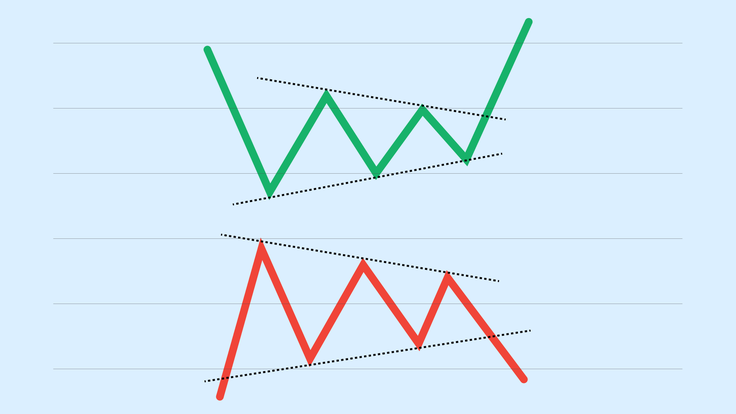
What is a triple bottom pattern in technical analysis and how does it work?
A triple bottom occurs when price holds support three times, revealing fading selling pressure and the early stages of an uptrend.

Scalping and day trading: understanding the key differences
While both scalping and day trading target short-term market moves, they involve distinct execution styles, risk profiles and time commitments.

Top forex pairs for swing trading: a practical guide
Beyond technical analysis, swing trading is influenced by fundamentals such as liquidity, stability and wider economic conditions.

How the inverse head and shoulders pattern works
The inverse head and shoulders pattern marks a transition phase where selling pressure diminishes and buyers quietly build momentum for a reversal.