
 Support
Trading Ideas
Get the edge with potential investments and opportunities
Trading before and after market hours: how it works
Extended-hours trading gives you access to selected stocks and ETFs before and after the regular market session. When you can trade, which assets are available and the conditions you trade in depend on your broker or platform.
9 Sep 2026, 11:01
Reading correlated markets with SMT Divergence
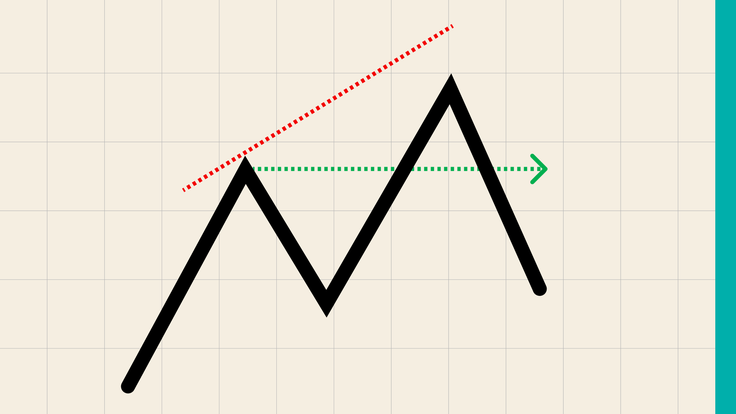
SMT Divergence focuses on the relationship between two markets that normally move in a similar way. This article shows how ICT traders use a break in that relationship to identify liquidity and possible reversal setups.
A trader’s guide to the VIX fear index
The VIX uses S&P 500 options and CBOE’s model-free methodology to estimate expected market volatility over the next 30 days. This article shows how the index is calculated and what it can reveal about sentiment.
How the ICT Unicorn model works
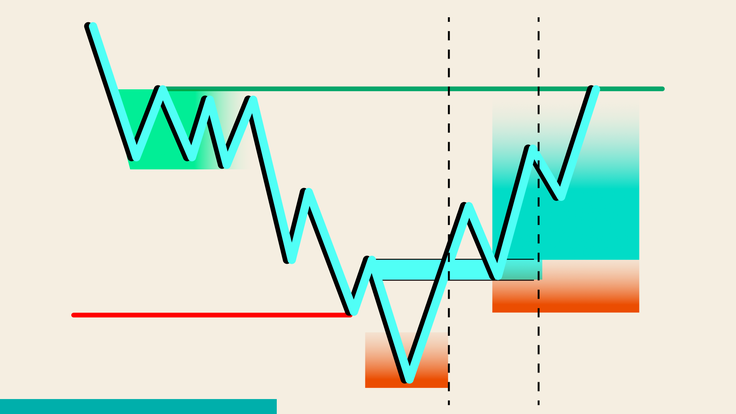
In Smart Money Concepts (SMC), the ICT Unicorn Strategy is built around the overlap between a Breaker Block (BB) and a Fair Value Gap (FVG). This article explains how confirmation through displacement can help traders identify a potential entry zone.
A guide to equal highs and equal lows in SMC trading
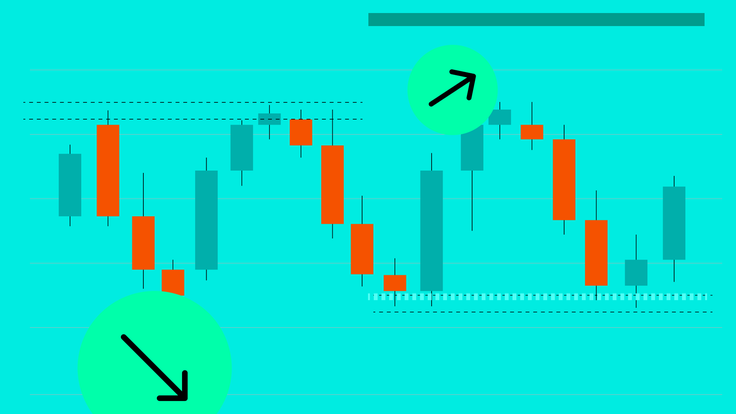
Equal highs and equal lows are important in Smart Money Concepts (SMC) because they can reveal where market liquidity is concentrated. This article shows how traders interpret these levels and why they often matter before a move.
A beginner’s guide to commodities
Commodities play an important role in the global economy, from fuelling transport to supporting food production and manufacturing. Their prices can influence inflation, business costs and investor sentiment.
2 Sep 2026, 09:49
Gas futures trading: a guide to natural gas markets
Trading natural gas futures requires an understanding of the technical aspects of derivative contracts—such as futures, options, and Contracts for Difference (CFDs)—alongside the price behaviour of key global benchmarks including Henry Hub, TTF, and JKM.

A practical guide to bid and ask price
Bid and ask prices show the sell and buy sides of a market quote. Understanding them can help traders see how spreads form and why execution prices may vary.
26 Aug 2026, 00:00
Market cap: what investors should know
Market cap is a simple measure of a public company’s total market value. It is based on share price and outstanding shares, helping investors compare company size.
26 Aug 2026, 00:00
Understanding how to read cocoa market moves
Cocoa prices are closely linked to supply from key producing regions, especially West Africa and the Americas. This article explains how traders read cocoa futures contracts, follow ICCO reports and manage risk in a volatile market.
