
 Support
Trading Ideas
Get the edge with potential investments and opportunities
Trading assets: a beginner’s breakdown
Trading assets cover a wide range of financial markets, including shares, bonds, currencies, commodities and indices. Understanding what moves each one can help traders avoid treating every market in the same way.

A beginner's guide to CFDs
CFDs allow traders to speculate on market price movements without owning the underlying asset. This guide explains how CFD trading works, the markets that can be traded and the risks traders should understand.
17 Aug 2026, 00:00
Coffee trading: how to read market moves
Coffee futures trading focuses mainly on Arabica and Robusta contracts. These markets have different exchange structures and specifications, making contract knowledge and risk management essential.

What buy the dip means in trading
“Buy the dip” means purchasing an asset after its price falls, with the expectation that the wider trend remains intact. This article explains why market context, fundamentals and liquidity conditions matter.

Order blocks, breaker blocks and mitigation blocks in SMC trading
Order blocks, breaker blocks and mitigation blocks are not the same type of SMC zone. One marks impulse origin, one shows a failed zone after reversal and one reflects a failed push before mitigation.

Consolidation in trading: what to know
Consolidation in trading describes a period when price pauses and moves sideways within a relatively clear range. It often reflects slower momentum, lower volatility and uncertainty over the next direction.
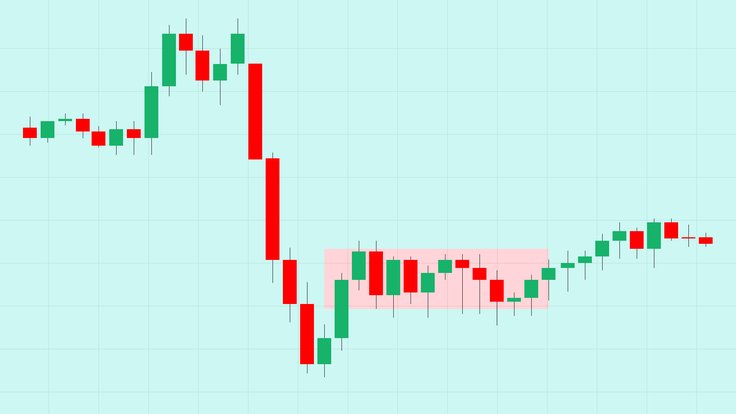
SMC trading: how to find trade entries
An SMC entry model is a structured approach to trade execution based on Smart Money Concepts. It uses liquidity sweeps, market structure shifts and price imbalances to help traders find potential entries.
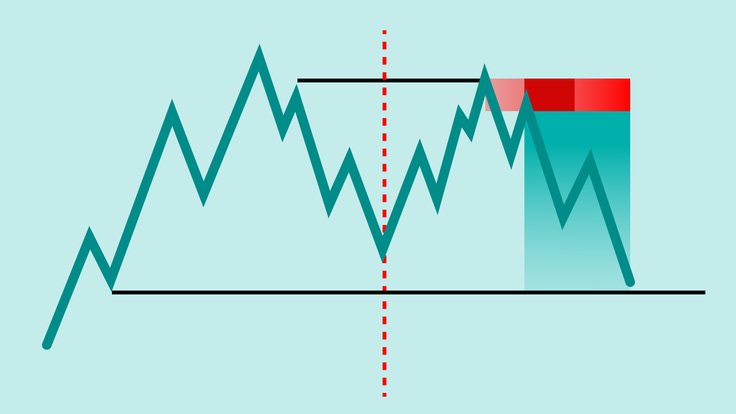
ICT Killzones: what traders should know
ICT Killzones are high-activity time windows when liquidity, volatility and institutional participation can increase. They are not signals to enter a trade, but periods traders watch for clearer price movement and potential market direction.

What does whipsaw mean in trading?
A whipsaw is a fast reversal after a breakout fails, often catching traders on the wrong side of the move. Low liquidity, volatility and liquidity sweeps can all contribute, so confirmation and risk controls are key.

A beginner’s guide to swing trading
Swing trading is a strategy where traders hold assets for days or weeks to take advantage of broader market swings. It combines technical analysis, trend signals and strict risk management to guide trading decisions.
