
 Support
Trading Ideas
Get the edge with potential investments and opportunities
What is YoY? Understanding year-over-year comparisons
Year-over-year (YoY) measures change by comparing data from equivalent periods one year apart. It is widely used to assess changes in company performance and economic indicators, from revenue and earnings to inflation and GDP.
9 Sep 2026, 11:42
What is extended-hours trading? Pre-market and after-hours explained
Pre-market and after-hours sessions extend the trading day beyond regular market hours, giving you more flexibility over when you can trade selected stocks and ETFs. Available hours, assets and trading conditions vary between brokers and platforms.
9 Sep 2026, 10:55
SMT Divergence: how correlated markets are used
SMT Divergence helps Inner Circle Trader (ICT) traders compare markets that usually move together. This article shows how differences between correlated assets can reveal where liquidity has been taken and where a reversal may start to form.
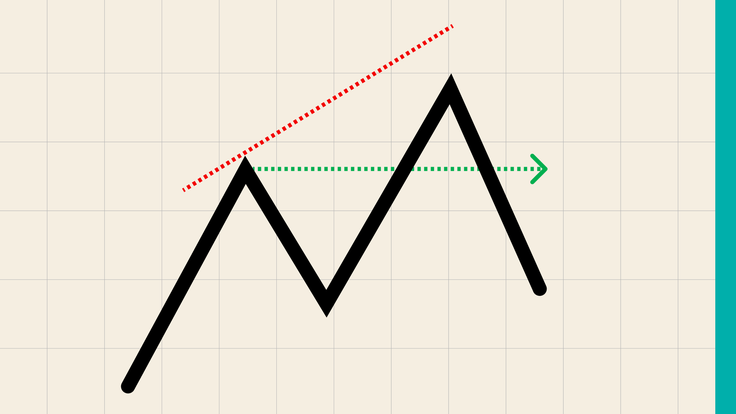
What is the VIX and how is it calculated?
The Volatility Index (VIX) helps traders assess expected volatility and market sentiment through S&P 500 options. This article explains how CBOE’s calculation works and why the index often has an inverse relationship with the S&P 500.
A guide to the ICT Unicorn model
The ICT Unicorn Strategy combines two key Smart Money Concepts (SMC) ideas, a Breaker Block (BB) and a Fair Value Gap (FVG). This article shows how traders wait for displacement and a return to the entry zone instead of entering straight after a liquidity sweep.
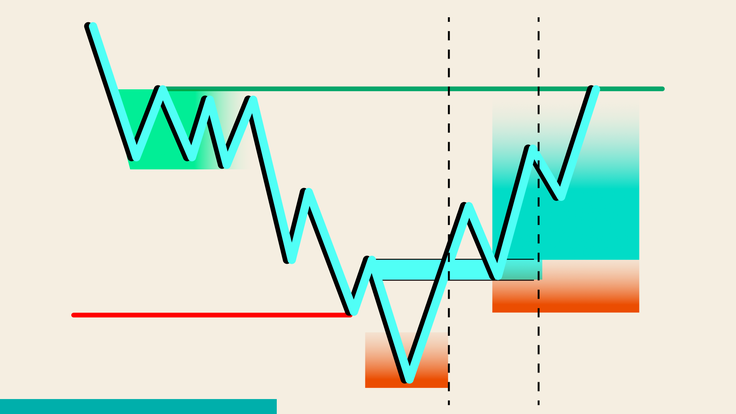
A trader’s guide to read equal highs and equal lows
Equal highs and equal lows are widely followed in Smart Money Concepts (SMC) because they can highlight areas where orders are clustered. This article shows how traders use them to identify liquidity, rather than just chart patterns.
What are commodities in trading?
Commodities connect financial markets with the real economy. Raw materials such as oil, gold, wheat and coffee are traded globally, and their price movements can affect costs, inflation and market confidence.
2 Sep 2026, 09:47
Gas futures trading: a guide to natural gas markets
Trading natural gas futures requires an understanding of the technical aspects of derivative contracts—such as futures, options, and Contracts for Difference (CFDs)—alongside the price behaviour of key global benchmarks including Henry Hub, TTF, and JKM.

What is the difference between bid and ask prices?
The bid and ask are the two prices used to quote financial markets. Knowing the difference can help traders understand the spread and the price used to execute an order.
26 Aug 2026, 00:00
What is market cap and how is it calculated?
Market cap helps investors understand the size of a publicly traded company. It is calculated using share price and outstanding shares, and can change as either figure moves.
26 Aug 2026, 00:00