
 Support
Trading Ideas
Get the edge with potential investments and opportunities
A trader’s guide to cocoa market moves
Cocoa futures are influenced by both supply conditions and technical contract details. With production concentrated in West Africa and the Americas, traders need to understand how climate, agricultural cycles and market reports can affect prices.

Trading assets: definition and types
Trading assets are instruments traded in financial markets, from shares and bonds to currencies, commodities and indices. Because each asset class responds to different drivers, traders should understand the market before taking a position.

What are CFDs and how do they work?
CFD trading gives traders exposure to financial markets by tracking price movements rather than requiring ownership of the underlying asset. In this guide, we'll cover how CFDs work, their potential benefits and the risks involved.
18 Aug 2026, 06:03
Coffee trading: what moves prices
Arabica and Robusta are the main varieties used in coffee futures trading. To read this market properly, traders need to understand how the contracts work and how risk should be managed.

Buy the dip strategy: what traders should know
“Buy the dip” involves buying an asset after its price drops, hoping the move is temporary. The key is understanding whether the decline is a short-term pullback or part of a larger downtrend.

A guide to order blocks, breaker blocks and mitigation blocks
Order blocks, breaker blocks and mitigation blocks are different SMC zones with different roles. Order Bblocks lead impulsive moves, breaker blocks follow failed order blocks and mitigation blocks appear after failed pushes and structural shifts.

A guide to consolidation in trading
A consolidation phase appears when price becomes range-bound between support and resistance. It shows a temporary balance between buyers and sellers before the market prepares for its next meaningful move.
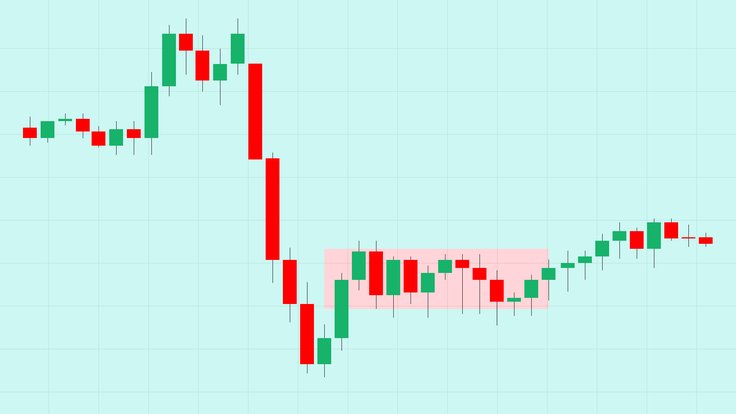
SMC entry strategy: how to identify trading opportunities
SMC entry models help traders read price action through signs such as liquidity sweeps, market structure shifts and imbalances. These signals are used to plan entries with a more structured approach.
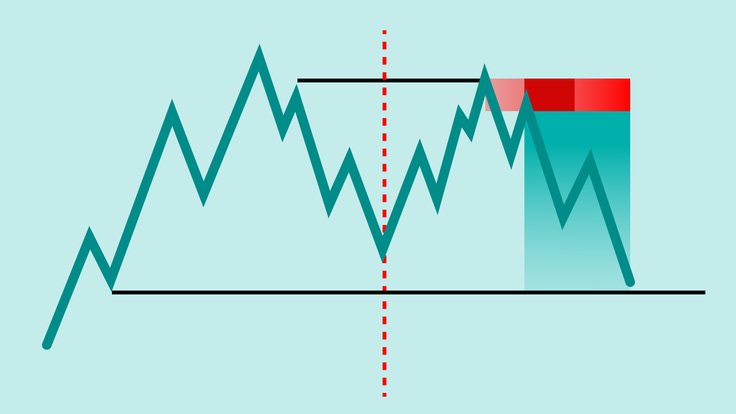
ICT Killzones: London and New York sessions explained
ICT Killzones are trading windows where increased activity can create more meaningful price movement. They do not tell traders when to buy or sell, but they can help identify when liquidity and volatility are more likely to rise.

Whipsaw in trading: what to know
A whipsaw happens when price appears to break out, then quickly reverses in the opposite direction. These moves are often linked to low liquidity, volatility or liquidity sweeps, making confirmation and risk management especially important.
