
 Help
Help 
Market Insights
In-depth insights on market events and major trades
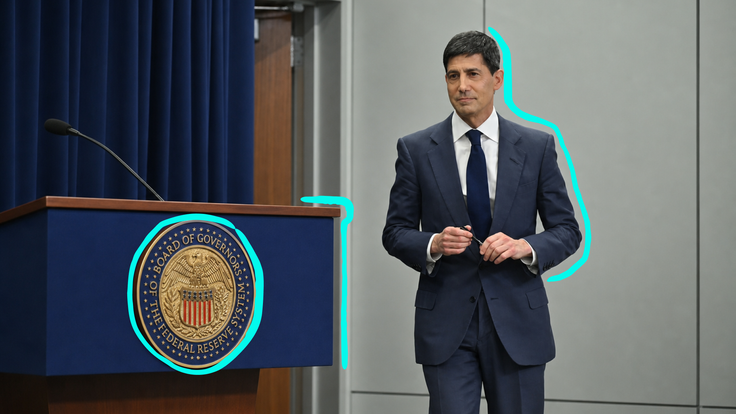
Fed rate hike test puts Kevin Warsh’s credibility in focus
The Fed heads into its September meeting with inflation still at 3.4% and markets heavily pricing a rate hike, turning the decision into an early credibility test for Kevin Warsh.
US Treasury yields near 5%: why bond market is ignoring buybacks
Treasury repurchased $5.2 billion securities in its latest operation, below the $6 billion maximum and only about half of the roughly $10.5 billion offered. Instead of calming the market, Treasury yields continued to rise, with the 10-year yield moving close to 5% and the 30-year yield reaching its highest level in years.

August CPI could decide whether the Fed hikes in September
Friday’s CPI report may be the final piece of data separating a September Fed hold from another rate hike.
Trump’s $5,000 dividend plan faces a $1 trillion fiscal reality
Donald Trump’s proposed $5,000 payment to U.S. adults has grabbed attention, but its fiscal cost and legislative hurdles make implementation far from certain.
Scott Bessent warns yen traders as BOJ rate hike bets intensify
Scott Bessent has delivered his strongest warning yet to traders betting against the yen.
UK bond yields are making Healey’s growth plan harder to deliver
John Healey used his first major speech as chancellor to argue that Britain can still return to stronger growth, but the bond market is asking a harder question: who pays for it? The government is heading into October 28 budget with borrowing costs close to their highest levels in years. The 10-year gilt yield was around 5.29%, the highest since 2007.

Japan likely sold Treasuries to fund record yen intervention
Japan’s record yen intervention appears to have been financed partly through sales of foreign securities, most likely short-dated U.S. Treasuries.

Bank of Canada paused, the market started pricing the next hike
The Bank of Canada left rates unchanged. The harder message came afterward. Inflation is drifting higher again, oil is pushing up price pressures, and a new trade fight with the United States has made the growth outlook harder to read. Instead of signaling relief, Governor Tiff Macklem made it clear that another hike remains on the table if inflation refuses to cooperate.

Why the Treasury and the Fed are pulling in different directions
The Treasury wants lower long-term borrowing costs. The Federal Reserve is becoming more comfortable with higher yields doing part of the tightening for it. As America's financing needs keep climbing, those two objectives are becoming harder to separate.

Yen breaks 160 as intervention risk rises and BOJ rate hike bets surge
The yen’s break above 160 per dollar has brought intervention risk back into focus, but Japan may struggle to reverse the move while U.S. rates stay high and domestic real rates remain deeply negative.
