
 Help
Help 
Trading Ideas
Get the edge with potential investments and opportunities
Year-over-year explained: how to calculate and use YoY
Year-over-year (YoY) compares a figure with the same period one year earlier. It is commonly used in company results and economic data to show how measures such as revenue, earnings, inflation and GDP have changed over a 12-month period.
9 Sep 2026, 11:37
Extended-hours trading: how pre-market and after-hours trading works
Extended-hours trading lets you trade selected stocks and ETFs outside regular market hours, including before the market opens and after it closes. These sessions offer more flexibility, but trading hours, available assets and market conditions can differ depending on your broker or platform.
9 Sep 2026, 10:45
SMT divergence explained: how ICT traders use correlated markets
SMT Divergence is a popular Inner Circle Trader (ICT) concept because it compares two correlated markets rather than analysing one chart on its own. This article explains how a lack of confirmation between related markets can highlight liquidity grabs and possible reversal areas.
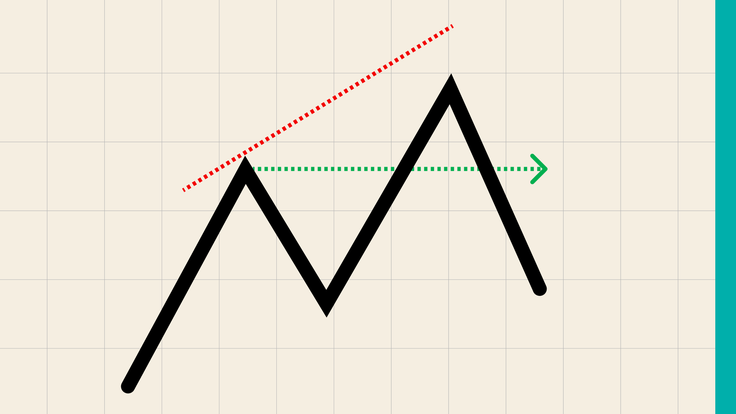
How is VIX calculated? a clear guide to the fear index
The Volatility Index (VIX) is a widely followed measure of expected S&P 500 volatility. This article explains how CBOE calculates the index, why it is linked to options and how traders use it as a sentiment gauge.
What is the ICT unicorn model?
The ICT Unicorn Strategy is a popular entry model in Smart Money Concepts (SMC), combining a Breaker Block (BB) with a Fair Value Gap (FVG). This article explains how traders use displacement as confirmation before waiting for price to return to a high-probability entry zone.
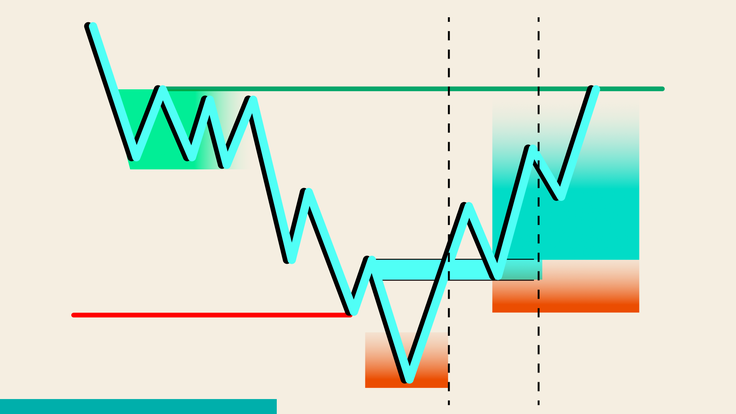
Equal highs and equal lows explained: How Smart Money sees liquidity
In Smart Money Concepts (SMC), equal highs and equal lows are used to identify potential liquidity pools. This article explains how stop-losses and breakout orders can accumulate around them.
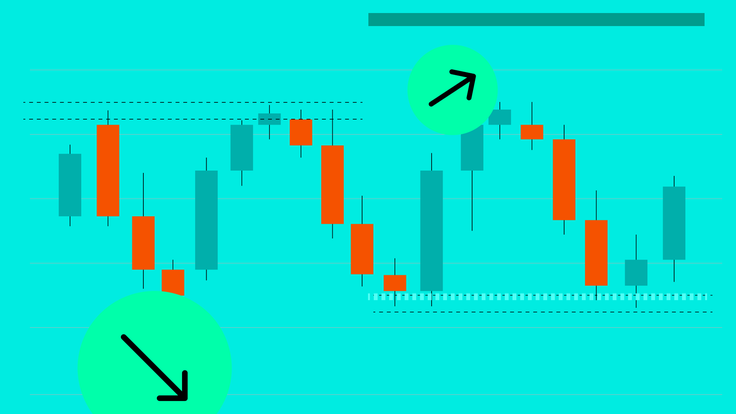
What are commodities
Commodities are standardised raw materials such as oil, gold, wheat and coffee that are traded in global markets. Their prices can influence everything from fuel and food costs to manufacturing and inflation, making commodity markets an important part of the wider economy.
2 Sep 2026, 09:48
Gas futures trading: a guide to natural gas markets
Trading natural gas futures requires an understanding of the technical aspects of derivative contracts—such as futures, options, and Contracts for Difference (CFDs)—alongside the price behaviour of key global benchmarks including Henry Hub, TTF, and JKM.

What are bid and ask prices?
Every financial market has two prices: the bid and the ask. Understanding the difference between them can help you see how trades are priced, why the spread exists and what affects the price at which your order is executed.
26 Aug 2026, 00:00
What is market cap and why does it matter?
Market cap is a simple way of measuring the value of a publicly traded company based on its share price and the number of outstanding shares. Learn how market cap is calculated, why it changes and how investors use it when comparing companies.
26 Aug 2026, 00:00