
 Help
Help 
Trading Ideas
Get the edge with potential investments and opportunities
Cocoa: How to read Cocoa market moves
Cocoa futures trading requires traders to understand both market fundamentals and contract specifications. Prices are largely shaped by supply from West Africa and the Americas, where weather conditions and crop cycles can have a major impact on production.

What are trading assets? Definition and types
Trading assets are the financial instruments bought and sold in markets, including shares, bonds, currencies, commodities and indices. Each market moves for different reasons, so traders need to understand the specific drivers behind the asset they are trading.

What is CFD trading and how does it work?
CFDs are popular trading instruments that allow traders to take positions on rising and falling markets. This guide explains how CFD trading works, its potential benefits and the risks traders should understand.
17 Aug 2026, 00:00
Coffee: How to read Coffee market moves
Coffee futures trading is mainly built around Arabica and Robusta, traded on ICE Futures US and ICE Futures Europe. Understanding the market means knowing the contract details, price drivers and risk controls behind each variety.

What does 'Buy the dip' mean?
“Buy the dip” means entering a market after an asset has fallen in price, with the expectation that it will recover. The strategy can work during temporary pullbacks, but it carries risk if the fall becomes a deeper decline.

Order Block vs Breaker Block vs Mitigation Block explained
Order blocks, breaker blocks and mitigation blocks help traders read different stages of market structure. One shows the origin of an impulse, one reflects a failed zone after reversal and one forms after a failed push and smaller structural shift.

What is consolidation in trading?
Consolidation is a market phase where price stops trending and moves sideways within a defined range. It usually forms between support and resistance, as momentum slows and buyers and sellers reach a temporary balance.
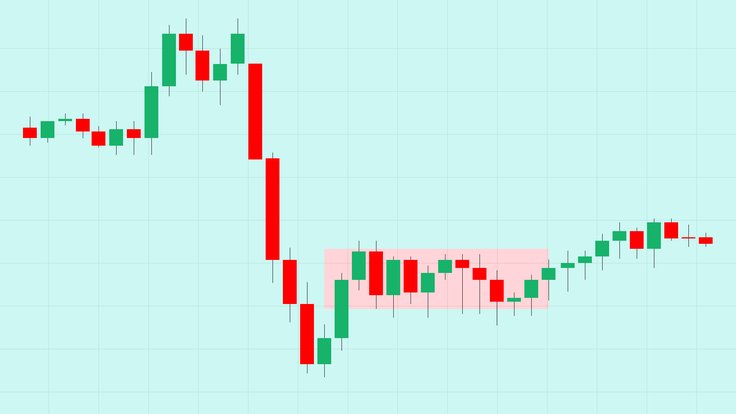
SMC entry model explained: how to find high-probability trade entries
SMC entry models are used to identify trade entries by tracking where institutional activity may be influencing price. They focus on liquidity, structure shifts and imbalances rather than standard retail indicators.
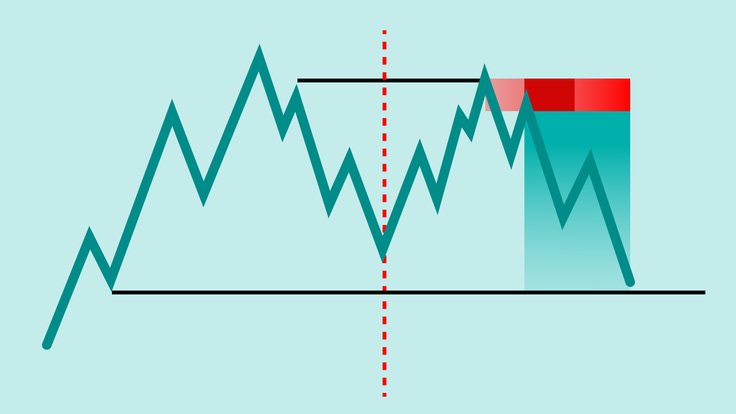
ICT Killzones explained: why London and New York sessions matter to traders
ICT Killzones are specific trading windows when market activity, liquidity and volatility often increase. They are not buy or sell signals, but periods when price is more likely to make meaningful moves as banks, institutions and professional traders become more active.

Whipsaw meaning in trading: Definition and examples
A whipsaw is a sharp price reversal that follows a false breakout, often driven by low liquidity, higher volatility or liquidity sweeps. Traders can manage the risk by using volume filters, multi-timeframe confirmation, Average True Range (ATR)-based stop-losses and clear position sizing.
